Education & Skills
Industry Overview
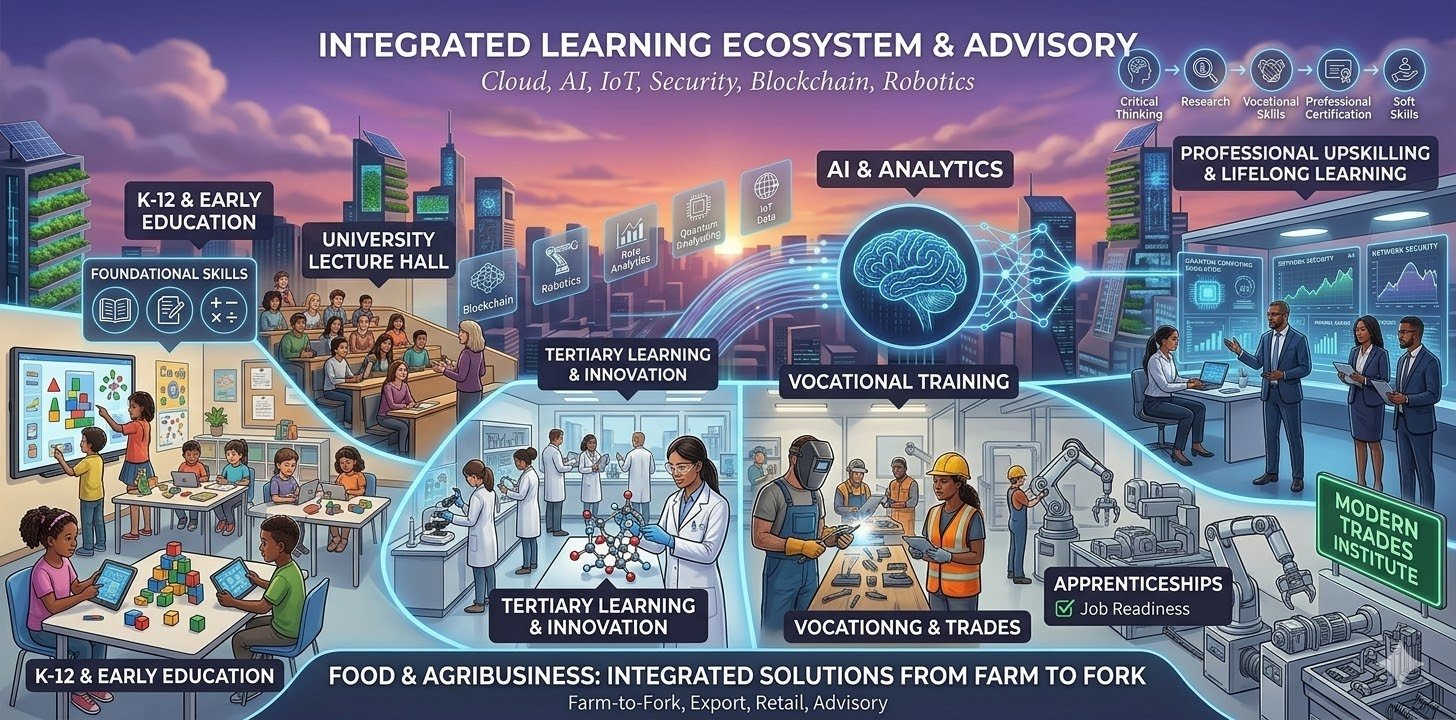
Australia's education sector — universities, vocational education and training (VET), registered training organisations (RTOs), private colleges, and schools — operates across public, private, and not-for-profit structures. The sector is regulated by TEQSA for higher education providers, ASQA for VET providers, and state and territory education authorities for schools and early childhood services. Each regulator imposes its own compliance obligations, and the overlap between regulatory, financial, and tax requirements demands careful attention.
Tax treatment varies significantly across the sector. Public universities and certain private providers are exempt from income tax under Division 50 of the Income Tax Assessment Act 1997, while commercial training businesses and private tutoring operations are taxed under standard rules. Government funding, student fee revenue, international student income, and research grants each carry distinct compliance requirements — from GST classification to acquittal reporting and withholding obligations. Providers endorsed as deductible gift recipients (DGRs) or registered with the ACNC face additional reporting layers.
The sector's workforce is governed by specific awards and enterprise agreements, with casual and sessional employment being common across both higher education and VET. Academic staff, general staff, and casual tutors are often engaged under different instruments, and the interaction between employment classification, superannuation obligations, and salary packaging arrangements requires structured payroll and compliance processes.
Key Commercial & Regulatory Challenges
Tax Exemption & DGR Status
Educational institutions seeking or maintaining income tax exemption must satisfy the criteria under Division 50, which differ depending on whether the entity is a public educational institution, a religious educational institution, or a scientific institution. Deductible gift recipient (DGR) endorsement — which enables the institution to receive tax-deductible donations — imposes its own eligibility and reporting requirements. Maintaining exempt status requires ongoing compliance with ATO conditions, including the institution's governing rules, activities, and application of income.
GST on Education
Education courses provided by approved education providers are generally GST-free under Division 38 of the GST Act. However, the distinction between GST-free education and taxable training or ancillary services is not always straightforward. Mixed supplies — where a course includes both GST-free education components and taxable elements such as materials, accommodation, or excursions — require careful apportionment. Administrative services, commercial short courses, and non-accredited training are typically taxable, and misclassification creates BAS exposure.
FBT Concessions for Exempt Employers
Public and not-for-profit educational institutions may qualify for FBT rebates or exemptions, which reduce the cost of providing fringe benefits to employees. These concessions underpin salary packaging arrangements that are common across the sector. The specific concession available — rebate or exemption — depends on the institution's tax-exempt classification, and the capping thresholds and reportable fringe benefits rules require accurate tracking to avoid overclaiming or unexpected employee tax consequences.
International Student Revenue
Revenue from international students is a significant income source for many Australian education providers. The tax treatment of this revenue depends on the provider's tax status and the nature of the fees charged. For taxable providers, the timing and recognition of international fee income must align with accounting standards and ATO requirements. Withholding obligations may arise where payments are made to overseas agents or partners, and compliance with the ESOS Act (Education Services for Overseas Students) imposes additional financial and reporting obligations that intersect with tax compliance.
Research Grant Compliance
Universities and research institutions receive funding through competitive grants (such as ARC and NHMRC schemes), government block funding, and industry partnerships. Each funding source carries its own acquittal requirements, eligible expenditure rules, and reporting timelines. The tax treatment of grant income — including whether it constitutes assessable income, a capital contribution, or a non-assessable non-exempt amount — depends on the nature of the grant and the recipient's tax status. Accurate grant accounting is essential for both regulatory compliance and financial reporting.
Workforce Compliance
The education sector's reliance on casual and sessional staff creates specific compliance requirements around employment classification, casual loading, and superannuation. Academic staff are typically covered by enterprise agreements, while general staff and casual tutors may fall under different awards. The interaction between employment type, superannuation guarantee obligations (including for part-time and casual workers), long service leave provisions, and salary packaging arrangements requires structured payroll processes and regular compliance reviews.
How We Support This Industry
Our work for education sector clients draws on our full range of services — tax, accounting, bookkeeping, payroll, and business advisory — structured around the regulatory environment and commercial requirements specific to education providers.
SMSF Setup, Tax & Audit
SMSF establishment and compliance for education professionals and training organisation owners.
Learn moreCompany Setup & Compliance
Company registration, tax returns, bookkeeping, payroll, BAS, and FBT for education providers and RTOs.
Learn moreIndividual Tax & Financial Services
Individual and company tax returns, investment consultancy, and finance services for education professionals.
Learn moreFinancial Planning
Retirement planning, wealth management, and superannuation advice for education sector professionals.
Learn moreTrust Formation & Tax
Trust formation, administration, and tax compliance for education sector families and scholarship trusts.
Learn moreSmall Business & Audit
Small business advisory, compliance, and audit services for education providers and training organisations.
Learn moreLegal Business Advice
Entity structuring, governance arrangements, and succession planning for education businesses.
Learn moreWho We Work With
Our education sector advisory work covers a range of provider types and operating models:
Private Schools & Colleges
Independent schools and private educational institutions operating across primary, secondary, and tertiary levels. Advisory covering tax exemption compliance, FBT concessions, building fund DGR endorsement, and financial reporting obligations.
Registered Training Organisations
VET providers and commercial training businesses registered with ASQA. Advisory covering RTO establishment, GST on training supplies, government funding compliance, and ongoing regulatory and tax obligations.
Tutoring & Coaching Businesses
Private tutoring companies and educational coaching services operating as sole traders, partnerships, or companies. Advisory covering business structuring, GST registration, income tax compliance, and contractor versus employee classification.
Education Technology
EdTech companies providing digital learning platforms, assessment tools, and educational software. Advisory covering entity structuring, R&D tax incentive claims, revenue recognition for subscription models, and GST on digital supplies.
Child Care & Early Learning
Long day care centres, family day care providers, and early childhood education services. Advisory covering Child Care Subsidy reconciliation, GST-free supply classification, employment compliance under the Children's Services Award, and not-for-profit structuring.
Related Insights
Discuss Your Education Sector Advisory Requirements
Whether you operate a training organisation, private school, tutoring business, or EdTech company, we can discuss how our advisory capabilities apply to your specific situation.